


Playing solo card games isn’t just about passing the time. It’s an opportunity to exercise your mind, improve your concentration, and even develop strategic thinking skills. Plus, they offer a perfect escape when you need a breather from your daily routine. Check out unfadingadornments to know more
Mental Stimulation and Skill Development
Engaging in solo card games can sharpen your cognitive abilities. These games require you to think several moves ahead, enhancing your problem-solving skills. As you become more adept at these games, you’ll notice improvements in your ability to concentrate and strategize in other areas of life. Whether it’s planning a project or solving complex problems, solo card games can be a fun way to boost your mental agility.
Stress Relief and Relaxation
In today’s fast-paced world, finding ways to relax is crucial. Solo card games provide a peaceful break from digital screens and constant notifications. The tactile experience of handling cards can be meditative, allowing you to unwind and focus solely on the game at hand. As you immerse yourself in the rhythm of the game, stress and anxiety can melt away, leaving you refreshed and ready to tackle your next task.
Versatility and Accessibility
One of the greatest advantages of solo card games is their versatility. With just a deck of cards, you can enjoy countless variations of games. Whether you’re in the comfort of your home, at a coffee shop, or traveling, a deck of cards is easy to carry and offers endless entertainment possibilities. Unlike video games or board games, card games don’t require batteries, internet connections, or bulky equipment, making them an ideal choice for spontaneous gameplay.
Best One Player Card Games
Here are some classic and modern solo card games that you can enjoy. Each game has its unique charm and challenges, ensuring you have plenty of options to choose from.
1. Solitaire
The classic Solitaire tops our list for its timeless appeal and simplicity. With countless variations available, this game never gets old. The basic objective is to sort all the cards into four foundation piles, one for each suit, in ascending order.
How to Play:
- Setup: Shuffle a standard deck of 52 cards and deal them into seven piles, with the number of cards in each pile increasing from one to seven. The remaining cards form the stockpile.
- Objective: Move all cards to the foundation piles in the correct order, starting with the Ace and ending with the King.
- Strategy Tips: Always move Aces to the foundation immediately when they are available to free up space. Focus on uncovering the face-down cards in the tableau to increase your options. Strategically move cards between columns to reveal hidden cards and create new opportunities.
2. Spider Solitaire
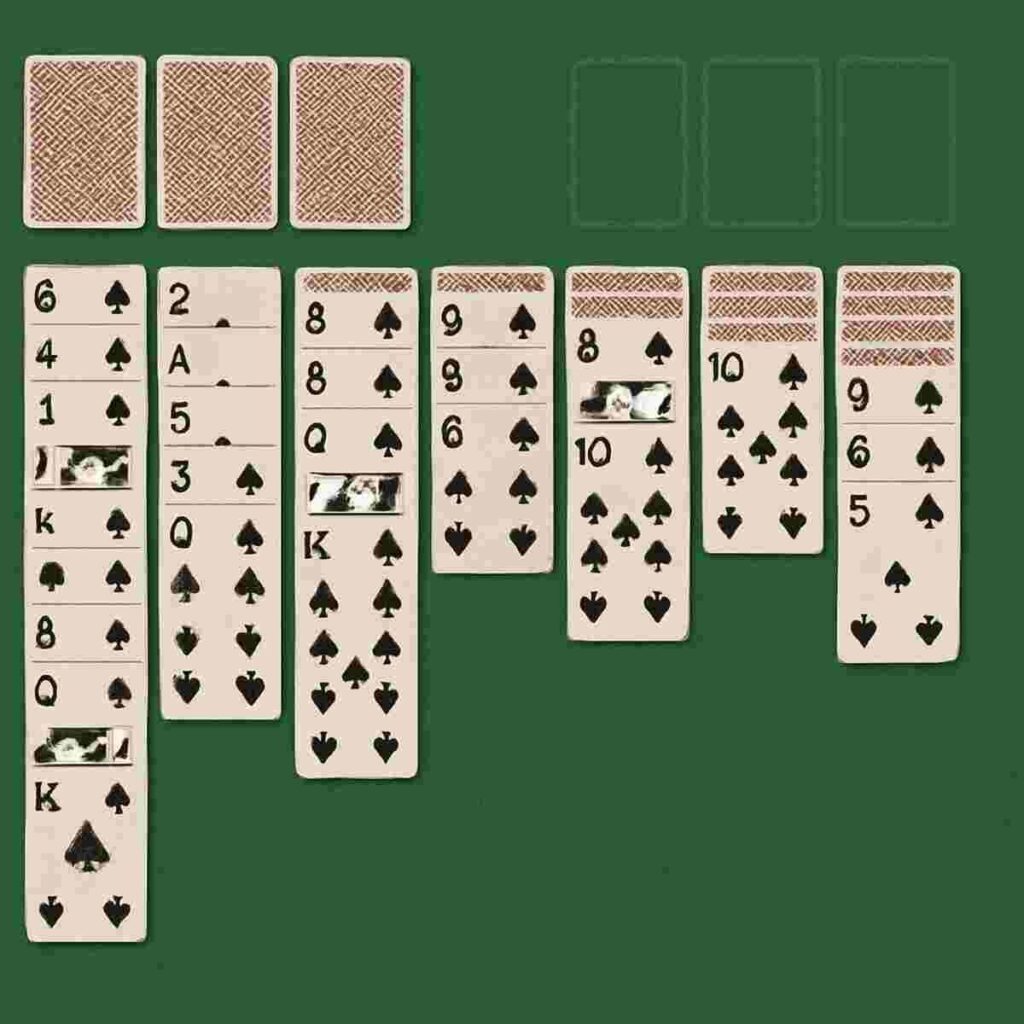
Spider Solitaire is a more challenging variant of the original. It uses two decks of cards and requires you to build sequences of cards in descending order from King to Ace.
How to Play:
- Setup: Deal ten stacks of cards, with the first four stacks containing six cards and the rest containing five. The remaining cards form the stockpile.
- Objective: Clear the table by assembling cards in sequences from King to Ace of the same suit and removing them from the tableau.
- Strategy Tips: Focus on uncovering hidden cards as quickly as possible to increase your chances of creating complete sequences. Try to clear entire columns to gain more space for maneuvering cards. Be mindful of the suits; aim to organize cards of the same suit together for easier sequencing.
3. Freecell
Freecell is another popular variation of Solitaire that demands strategic planning and foresight. Unlike other solitaire games, most deals can be solved with skill and patience.
How to Play:
- Setup: Deal all 52 cards face up into eight columns, creating a tableau. The game includes four free cells and four foundation piles.
- Objective: Move all cards to the foundation piles, starting with the Ace and working up to the King.
- Strategy Tips: Use the four free cells wisely to temporarily store cards, allowing you to manoeuvre the tableau. Plan several moves, considering how moving one card will affect the rest of the tableau. Prioritise freeing up columns and creating empty spaces to gain more flexibility in your moves.
4. Yukon Solitaire
Yukon Solitaire is a fun twist on the traditional game, where you can move groups of cards even if they’re not in sequence. This added flexibility makes for an exciting challenge.
How to Play:
- Setup: Similar to Solitaire, deal cards into seven columns, but with all cards face up. The remaining cards are set aside.
- Objective: Sort all cards into the foundation piles in ascending order by suit.
- Strategy Tips: Focus on freeing up face-down cards to expand your options and gain access to more moves. Take advantage of the ability to move groups of cards, even if they’re not in sequence, to reorganize the tableau. Keep an eye on potential card combinations that can free up necessary spaces or reveal crucial cards.
5. Clock Patience
Clock Patience is a simple yet addictive game that doesn’t require much strategy but is entertaining nonetheless. It’s perfect when you want to play something relaxing.
How to Play:
- Setup: Arrange cards into 13 piles in a clock face pattern with the last pile in the center, representing the 12 hours and one for the center.
- Objective: Reveal all the cards in the deck by moving cards based on their face value, to complete the clock face.
- Strategy Tips: Since this game relies heavily on chance, just enjoy the ride and see if luck is on your side!Pay attention to the cards you reveal, as they will determine the next pile to focus on. Take your time and appreciate the element of surprise that comes with each turn.
Tips for Enjoying Solo Card Games
- Set the Mood: Create a comfortable environment with good lighting and perhaps some soft music to enhance your gaming experience. A cozy atmosphere can make your gaming session more enjoyable and immersive.
- Take Breaks: Just like writing or studying, take short breaks between games to stretch and relax your eyes. This can prevent fatigue and help you maintain focus and enjoyment throughout your gameplay.
- Challenge Yourself: Try to beat your previous scores or complete games faster to keep things interesting. Setting personal goals can add an extra layer of excitement and motivation to your card game sessions.
Conclusion
Solo card games offer a delightful blend of relaxation and mental stimulation. Whether you’re taking a break from writing a compelling novel, brainstorming engaging content, or simply need a mental reset, these games will provide the perfect escape. So grab a deck of cards and enjoy the journey into the world of one-player card games! Happy gaming!
