
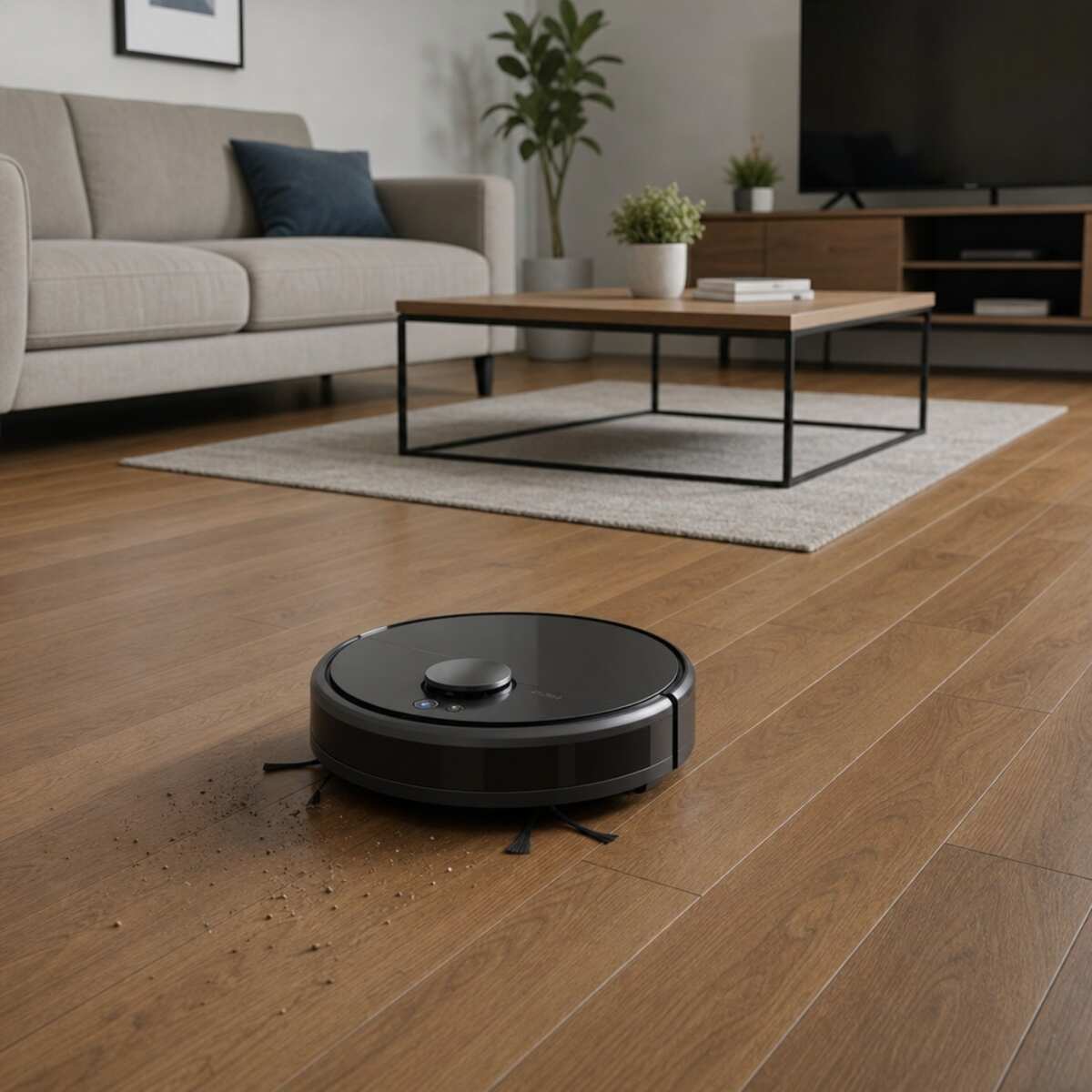

If you are tired of spending your weekends pushing a heavy vacuum around the house, you are not alone. The smart home revolution has transformed how we manage our chores, and leading the charge is the modern Robotic Vacuum Cleaner. Gone are the days when a robot vacuum would aimlessly bump into your furniture, get stuck on a rug, and run out of battery before cleaning the hallway. In 2023, these intelligent devices have evolved into highly autonomous, powerful cleaning machines. Read the Best info about Robot Süpürge.
Whether you are upgrading from an older model, considering replacing your standard cordless vacuum, or buying your very first automated helper, navigating the market can be overwhelming. This comprehensive guide will walk you through everything you need to know about the top models of 2023, the cutting-edge technology that powers them, and how to choose the perfect one for your home.
The Evolution of Floor Cleaning: Automated Floor Sweepers vs Manual Cleaning
Before diving into the specifics of 2023’s best models, it is worth looking at the debate of automated floor sweepers vs manual cleaning. For decades, the standard routine involved pulling out a heavy upright vacuum or a lightweight cordless vacuum, spending an hour or more navigating around furniture, and manually emptying dustbins.
While a traditional cordless vacuum is fantastic for quick spot-cleaning or reaching high corners, manual cleaning requires your active time and energy. A Robotic Vacuum Cleaner, on the other hand, offers consistency. By scheduling daily cleanings, a robot vacuum prevents dust, dirt, and pet hair from accumulating in the first place. This paradigm shift means you are no longer reacting to a dirty floor; you are proactively maintaining a clean one.
The Benefits of Going Robotic
- Time-Saving: Reclaim hours of your week by letting the machine do the work.
- Consistent Cleanliness: Daily automated runs keep allergen levels low.
- Under-Furniture Reach: Their low-profile designs allow them to easily glide under beds and sofas where manual vacuums struggle to reach.
Decoding the Technology: What Makes 2023 Robot Vacuums So Smart?
The most significant leaps in the Robotic Vacuum Cleaner industry recently have been in navigation, autonomy, and power. Understanding these technologies will help you make an informed purchase.
Precision Mapping with LiDAR Navigation Technology
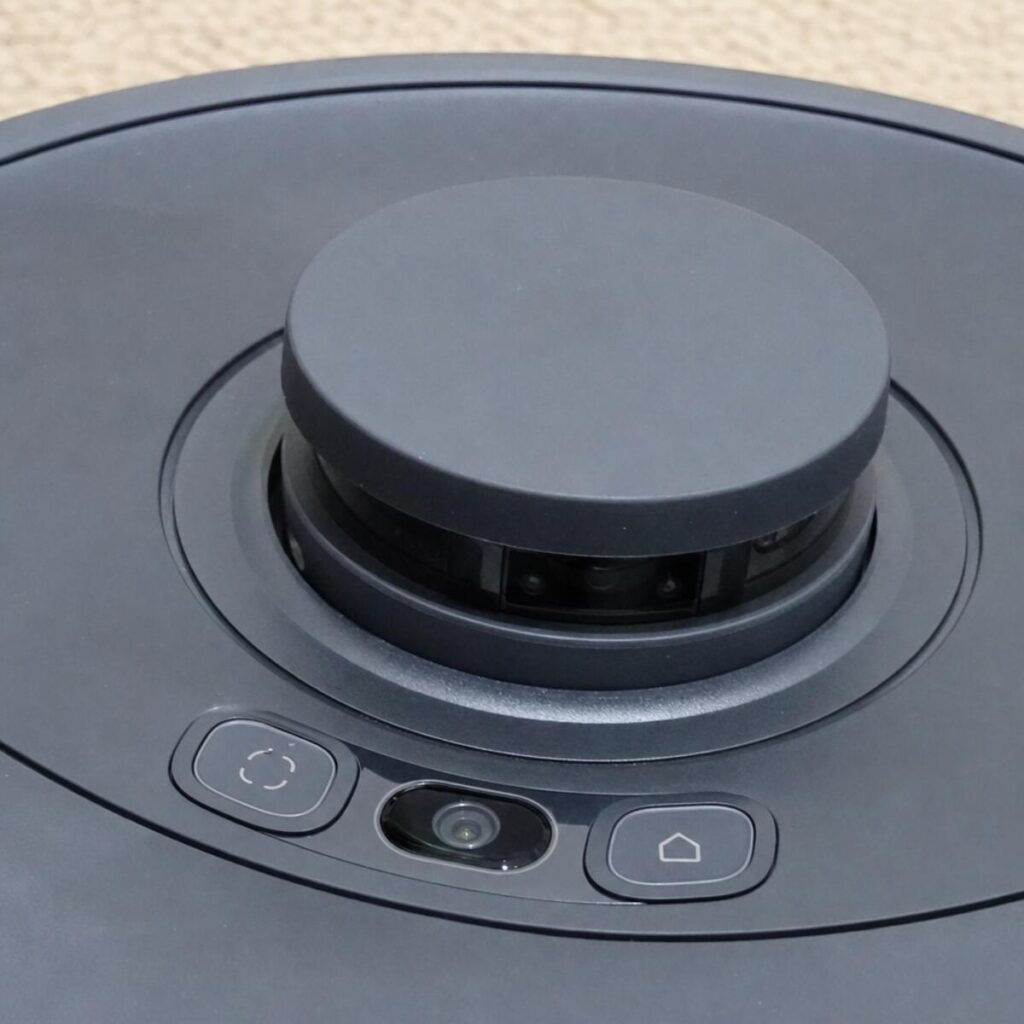
Early robot vacuums relied on “bump and turn” mechanics, essentially acting like a pinball. Today, top-tier models utilize LiDAR navigation technology. LiDAR (Light Detection and Ranging) uses invisible spinning lasers to scan your room in real-time, creating a highly accurate, 3D map of your home’s layout. This allows the robot to clean in neat, logical rows rather than random patterns, ensuring no spot is missed.
Next-Generation Obstacle Avoidance Systems
One of the most frustrating things about older robots was their tendency to suck up phone chargers or smear pet accidents. In 2023, the best models feature advanced obstacle avoidance systems. Using forward-facing AI cameras and cross-lasers, these vacuums can identify and steer clear of shoes, socks, cables, and even pet waste.
Protection with Cliff Detection for Stair Safety
If you live in a multi-story home, you might worry about your investment taking a tumble down the stairs. Thankfully, modern robots are equipped with cliff detection for stair safety. Infrared sensors located on the bottom of the device constantly scan the floor. When they detect a sudden drop, the robot instantly stops and reverses direction.
Raw Power: Suction Power in Pascals
When looking at specifications, you will often see suction power measured in Pascals (Pa). A few years ago, 2,000 Pa was considered high-end. In 2023, premium models are boasting suction power in pascals ranging from 5,000 Pa to an astonishing 8,000 Pa. This massive increase in power is what allows modern robots to excel at removing pet hair from high-pile carpets and pulling fine dust from deep within floor crevices.
Must-Have Features to Look for in 2023
If you want the ultimate hands-off cleaning experience, these are the premium features you should prioritize.
The Self-Emptying Base Station
Perhaps the biggest quality-of-life improvement in recent years is the self-emptying base station. When the robot vacuum finishes its run, it returns to its dock, where a powerful secondary vacuum sucks the debris out of the robot’s onboard dustbin and into a larger, sealed disposable bag. Depending on how much dirt your home generates, you may only need to change this bag every 30 to 60 days.
Multi-Floor Mapping Capabilities
For homes with more than one level, multi-floor mapping capabilities are essential. This feature allows the robot to save several different floor plans in its memory. You can carry the robot upstairs, press clean, and it will instantly recognize which floor it is on, applying the correct map and customized cleaning preferences without overwriting your downstairs layout.
Smart Home Voice Assistant Integration
Seamlessly controlling your robot is a staple of 2023 models. With smart home voice assistant integration, you can connect your vacuum to Amazon Alexa, Google Assistant, or Apple Siri. A simple command like, “Alexa, tell the vacuum to clean the kitchen,” sends the robot directly to the site of the mess.
Edge Cleaning and Side Brushes
Round robots traditionally struggle with square corners. To combat this, manufacturers rely on edge cleaning and side brushes. These spinning, whisk-like brushes extend beyond the robot’s chassis, grabbing dust and debris from baseboards and corners, sweeping it directly into the main suction path.
HEPA Filtration for Pet Dander
For allergy sufferers, vacuuming can often kick up as much dust as it removes. High-quality 2023 models utilize HEPA filtration for pet dander and fine dust. True HEPA filters capture 99.97% of particles as small as 0.3 microns, ensuring that the exhaust air expelled by the robot is cleaner than the air it sucked in.
Battery Runtime and Charging Cycles
The size of your home dictates how much battery life you need. Today’s premium models offer exceptional battery runtime and charging cycles, often running for up to 180 minutes on a single charge. Furthermore, if the battery runs low mid-clean, “smart resume” features allow the robot to return to the dock, charge just enough to finish the job, and pick up exactly where it left off.
Top Robotic Vacuum Cleaners of 2023: In-Depth Reviews
Now that we understand the technology, let’s explore the standout Robotic Vacuum Cleaner models that dominated the market in 2023. These devices represent the pinnacle of home automation.
1. Roborock S8 Pro Ultra: The All-in-One Powerhouse
The Roborock S8 Pro Ultra is widely considered the ultimate “hands-off” cleaning machine of 2023. It is designed for homeowners who want maximum automation for both vacuuming and mopping.
Key Strengths:
- Dual Roller Brushes: The S8 introduces a dual-rubber roller system. This design is incredibly effective at removing pet hair from high-pile carpets because the counter-rotating brushes agitate carpet fibers to lift embedded dirt without tangling.
- Massive Suction: With a suction power in pascals rated at 6,000 Pa, it easily rivals traditional upright vacuums.
- Reactive 3D Obstacle Avoidance: Its obstacle avoidance systems use structured light and infrared imaging to identify and bypass objects even in pitch-black rooms.
- The RockDock Ultra: This self-emptying base station doesn’t just empty the dustbin; it washes the mop pad, dries it with warm air to prevent odors, and refills the robot’s water tank.
Best For: Large homes with a mix of hard floors and carpets, and users who want zero daily maintenance.
2. iRobot Roomba Combo j7+: The Smartest Navigator
iRobot’s Roomba line has always been the gold standard for name recognition, and the Combo j7+ proves why they remain at the top of the industry. This model is unique because of its fully retracting mop pad.
Key Strengths:
- Precision Retracting Mop: When the j7+ approaches a rug, its mop bracket lifts entirely to the top of the robot, guaranteeing your carpets stay completely dry.
- P.O.O.P. Guarantee: iRobot is so confident in their obstacle avoidance systems that they offer the “Pet Owner Official Promise” (P.O.O.P)—if the vacuum runs over pet waste, they will replace the robot for free.
- Intuitive App Integration: Setting up virtual no-go zones via the iRobot OS is incredibly user-friendly. The robot will even suggest new cleaning zones and schedules based on your habits.
- Seamless Voice Control: It boasts the best smart home voice assistant integration on the market, recognizing highly specific commands for localized cleaning.
Best For: Pet owners and homes with a heavy mix of thick rugs and hard floors.
3. Ecovacs Deebot X1 Omni: The Premium Hybrid
The Deebot X1 Omni feels like a device from the future, featuring a design crafted by Jacob Jensen Design and technology that pushes the boundaries of automated cleaning.
Key Strengths:
- AIVI 3D Camera: Not only does this assist with flawless navigation, but it also allows you to use the robot as a roving security camera via the companion app.
- Turbo Mopping: Instead of a flat dragging pad, the X1 Omni uses dual spinning mop heads that scrub hard floors at 180 RPM, effectively removing dried-on stains.
- Superior Edge Cleaning: Its dual-side brush design maximizes edge cleaning and side brushes efficiency, funneling debris effortlessly into the main suction path.
- YIKO Voice Assistant: While it supports Alexa and Google, Ecovacs built their own native voice assistant, YIKO, allowing you to control the robot without needing a third-party smart speaker.
Best For: Tech enthusiasts who primarily have hard floors like tile or hardwood and need deep scrubbing capabilities.
4. Shark AI Ultra Robot Vacuum: The Value Champion
You don’t have to spend a thousand dollars to get premium features. The Shark AI Ultra brings top-tier technology to a much more accessible price point.
Key Strengths:
- Bagless Self-Emptying: Unlike most competitors that require you to buy proprietary dirt bags, the Shark features a bagless self-emptying base station. You simply hold the base over your trash can and press a button, saving you money over time.
- True HEPA Filtration: The base station features a 60-day capacity and genuine HEPA filtration for pet dander, ensuring allergens are trapped permanently.
- Matrix Clean: The Shark uses an innovative grid cleaning pattern. It cleans the room in a vertical pattern, then goes over it again horizontally, ensuring multiple passes over the same spots.
- Impressive Battery: It offers excellent battery runtime and charging cycles, comfortably cleaning a 2,000-square-foot home on a single charge.
Best For: Budget-conscious buyers, allergy sufferers, and those who despise buying replacement bags.
Mastering Your Robot Vacuum: Setup and Software
Buying a high-end Robotic Vacuum Cleaner is only half the journey. To get the most out of your investment, you need to optimize its software and settings.
The First Run: Mapping Your Home
When you unbox your robot vacuum, the very first thing it needs to do is map your house. Thanks to LiDAR navigation technology, this is usually a quick process.
- Prep the Area: Open all interior doors, pick up loose clothes, and tidy up wires. While modern robots have great obstacle avoidance, a clear floor ensures the most accurate initial map.
- Quick Mapping Mode: Many 2023 apps have a “Quick Map” feature where the robot drives around without turning on its suction, mapping a 2,000 sq ft home in under 15 minutes.
- Labeling Rooms: Once the map is generated, use the app to divide and name your rooms (e.g., Kitchen, Living Room, Master Bedroom). This is crucial for room-specific cleaning commands later.
Setting Up Virtual No-Go Zones
No matter how smart a robot is, there are some places you just don’t want it to go. Perhaps it’s an area with a delicate antique rug, a tangled mess of computer cables under a desk, or the dog’s water bowl.
By setting up virtual no-go zones in your companion app, you can draw invisible walls or exclusion rectangles on your digital floor plan. The robot will approach this invisible line and turn around, keeping both your belongings and the robot safe. You can also set “No-Mop Zones” over carpets, ensuring the robot only vacuums those areas without getting them wet.
Customizing Cleaning Preferences
Every room has different cleaning needs. Modern apps allow you to customize settings per room.
- Kitchen: Set to max suction power and high water flow for the mop to tackle food crumbs and spills.
- Living Room: If you have thick carpets, set the robot to prioritize vacuuming, utilizing maximum suction power in pascals for removing pet hair from high-pile carpets.
- Bedroom: Schedule a low-power, quiet clean while you are at work to save battery and minimize noise.
Maintenance Guide: Keep Your Robot Vacuum Running Like New
While a robot vacuum dramatically reduces the time you spend cleaning your floors, the robot itself requires a bit of TLC to maintain peak performance. Neglecting maintenance will result in decreased suction power, navigation errors, and a shorter lifespan for your device.
Here is your comprehensive maintenance checklist for 2023 robot vacuums:
1. How to Clean Floor Sensors
Your robot relies on an array of sensors to navigate, dock, and avoid falling down stairs. Dust and grime can build up over these sensors, essentially blinding the robot.
- Cliff Sensors: Locate the clear plastic windows on the underside of the bumper. These handle cliff detection for stair safety. Wipe them gently with a dry, clean microfiber cloth every two weeks. Avoid using harsh chemicals or wet wipes, as this can leave a film.
- Charging Contacts: Find the metal plates on both the bottom of the robot and the self-emptying base station. Wipe these down to ensure a solid connection. If the robot struggles to dock or charge, dirty contacts are usually the culprit.
- Optical Cameras/Lasers: Gently wipe the front-facing camera lens and the top LiDAR dome to keep the obstacle avoidance systems functioning perfectly.
2. Untangling Hair from Motorized Brushrolls
Even with advanced anti-tangle designs, long human hair and pet fur can occasionally wrap around the main extractor.
- Removal: Pop the brush guard off and lift out the main roller.
- Cleaning: Most robots include a small cleaning tool with a hidden blade. Use this to slice through tightly wound hair. Never pull the hair aggressively, as you could tear the rubber or bristles.
- Bearings: Do not forget to pop off the end caps of the brushroll. Hair often migrates to the bearings, causing friction that drains the battery faster. Clear this out monthly.
3. Caring for Edge Cleaning and Side Brushes
The side brushes take a lot of abuse, constantly rubbing against baseboards and corners.
- Unscrew or pop off the side brushes monthly.
- Remove any tangled hair from the base of the brush.
- If the bristles become bent or frayed, you can often revive them by dipping the bristles (not the plastic center) into hot water for a few seconds to reshape them. Replace them every 3 to 6 months.
4. Filter Care and HEPA Replacement
To maintain excellent suction and ensure your HEPA filtration for pet dander is effective, you must care for the filters.
- Tap to Clean: Remove the filter from the dustbin weekly and tap it gently against the side of your trash can to dislodge fine dust.
- Washing (If applicable): Some filters are washable. If so, rinse them with cold water only (no soap) and let them air dry for a full 24 hours before reinstalling. Never put a damp filter back into the robot, as this will destroy the motor.
- Replacement: Even with regular cleaning, HEPA filters degrade. Replace them every 2 to 3 months to keep the air in your home fresh and the vacuum’s motor running cool.
5. Battery Care
To maximize battery runtime and charging cycles, keep your robot docked and plugged in when not in use. Lithium-ion batteries degrade faster if they are left fully depleted for long periods. If you are going on a long vacation, fully charge the robot, turn off its main power switch, and store it in a cool, dry place.
Frequently Asked Questions (FAQs) About Robot Vacuums
To ensure you have all the information you need, let’s address some of the most common questions consumers have about the Robotic Vacuum Cleaner market in 2023.
Q: Can a robot vacuum completely replace my manual vacuum?
A: For daily maintenance, absolutely. A high-end robot vacuum will keep your floors 95% clean. However, you will likely still want to keep a cordless vacuum on hand for stairs, upholstery, car interiors, and unexpected heavy spills that require immediate spot cleaning. Think of the robot as the maintainer, and the manual vacuum as the deep-cleaner/specialty tool.
Q: How do robot vacuums handle transitioning between floor types?
A: Seamlessly. Premium models feature large, spring-loaded wheels that allow them to easily climb over thresholds up to 2 centimeters high. When transitioning from hardwood to carpet, models with auto-boost technology will detect the surface change and instantly increase their suction power in pascals to ensure a deep clean on the rug.
Q: Is my privacy safe with camera-based navigation?
A: Privacy is a valid concern when a device with a camera roams your home. Top manufacturers in 2023 have addressed this by processing images locally on the robot’s internal hardware rather than sending them to the cloud. Look for robots that carry TÜV Rheinland privacy certifications, which guarantee that images used for obstacle avoidance systems are immediately deleted and never stored or uploaded.
Q: Do robot vacuums work in the dark?
A: It depends on the navigation technology. Robots utilizing LiDAR navigation technology work perfectly in pitch black, as they rely on invisible lasers rather than ambient light. Robots that rely purely on vSLAM (optical cameras) may struggle in the dark. However, many 2023 models with cameras include built-in LED headlights to illuminate their path.
Q: How long does a robot vacuum last?
A: With proper maintenance—such as knowing how to clean floor sensors, replacing filters, and untangling hair from motorized brushrolls—a quality robot vacuum can last 4 to 6 years. You will likely need to replace the battery after 2 to 3 years as the battery runtime and charging cycles naturally degrade over time.
The Environmental and Health Impact of Smart Vacuuming
It is easy to view a Robotic Vacuum Cleaner purely as a convenience tool, but its impact extends to the overall health of your living environment.
Slashing Indoor Allergens
Indoor air quality is heavily impacted by the dust, pollen, and pet dander that settle into our floors and carpets. Manual vacuuming once a week allows these particles to accumulate and become airborne every time someone walks across the room. By running an automated cleaner daily, you drastically reduce the volume of particulate matter in your home. Coupled with true HEPA filtration for pet dander, a smart vacuum traps microscopic allergens permanently, making these devices highly recommended for allergy and asthma sufferers.
Energy Efficiency
Interestingly, running a modern robot vacuum daily can be more energy-efficient than using a massive 1500-watt upright vacuum once a week. Because robot vacuums use highly efficient, low-wattage brushless motors and smart pathing to avoid cleaning the same area twice, their overall energy consumption over a week is surprisingly low.
Conclusion: Making the Right Choice for Your Home
The journey from the humble broom to the modern Robotic Vacuum Cleaner is a testament to how far home appliance technology has come. The debate of automated floor sweepers vs manual cleaning has largely been settled: automation wins for daily maintenance, consistency, and time-saving convenience.
As we have seen in the top models of 2023, the industry has tackled nearly every pain point consumers used to have. With LiDAR navigation technology and advanced obstacle avoidance systems, babysitting your vacuum is a thing of the past. The massive leaps in suction power in pascals mean that removing pet hair from high-pile carpets is no longer an issue, while edge cleaning and side brushes ensure your corners stay pristine.
When you are ready to make a purchase, consider your home’s unique layout. If you have multiple stories, prioritize multi-floor mapping capabilities and reliable cliff detection for stair safety. If you have pets, invest in a model with a self-emptying base station and HEPA filtration for pet dander. And remember, the longevity of your machine relies heavily on you; learning how to clean floor sensors and untangling hair from motorized brushrolls will keep your robot serving you faithfully for years to come.
Embrace the smart home era, set up your virtual no-go zones, connect your smart home voice assistant integration, and take your weekends back. In 2023, keeping your floors flawlessly clean requires nothing more than the tap of a button.
