


In the fast-paced world of entrepreneurship, where innovation and adaptability are paramount, having a robust strategy is crucial for success. This is where the Business Model Canvas emerges as a transformative tool for modern entrepreneurs. More than just a template, it serves as a strategic management tool that entrepreneurs can leverage to refine and enhance their business strategies. It provides a visual framework for developing, visualizing, and pivoting business models, making it an essential component of any entrepreneur training program. Its significance in today’s dynamic business landscape cannot be overstated. Choose the best Business Model Canvas Training.
Understanding the Business Model Canvas
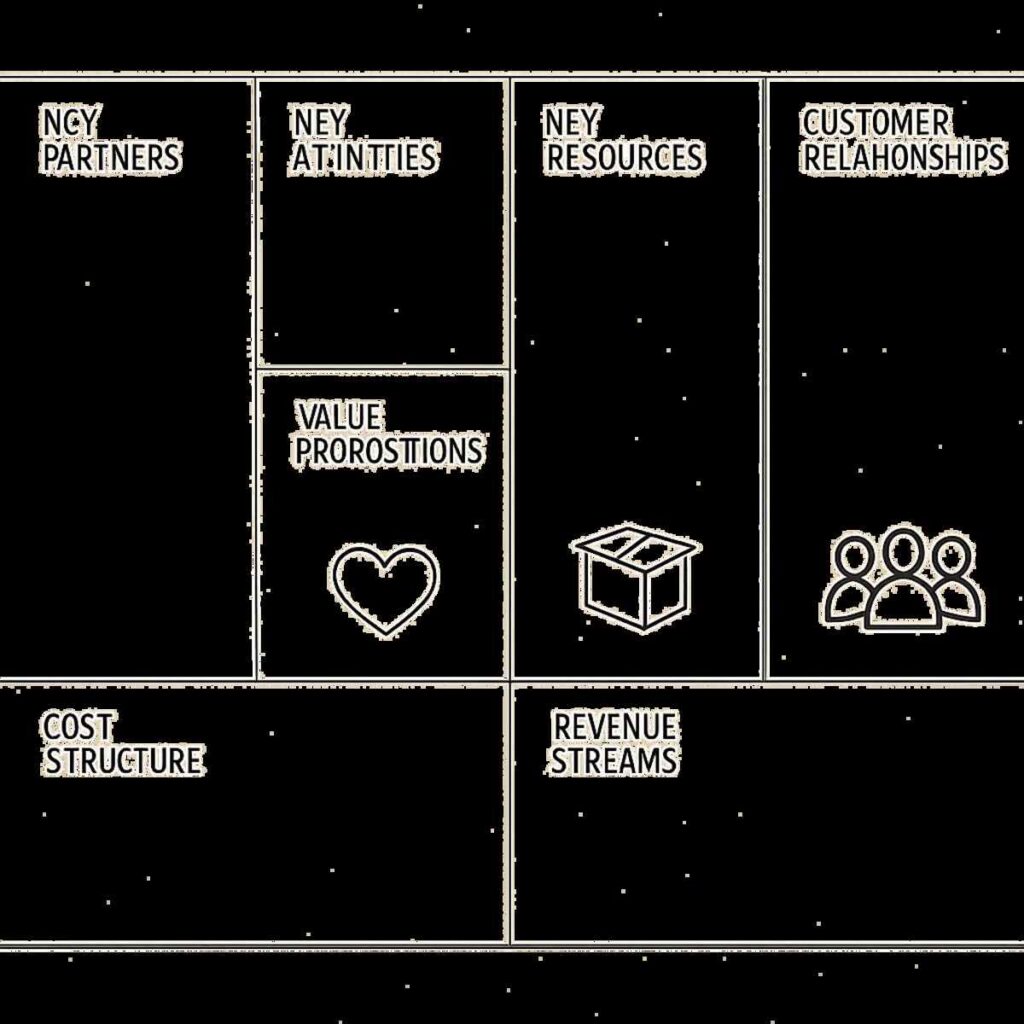
The Business Model Canvas, developed by Alexander Osterwalder, is a strategic management template used for developing new business models or documenting existing ones. It offers a comprehensive view of a business on a single page, encapsulating various elements that contribute to the creation, delivery, and capture of value. This one-page model not only simplifies complex business plans but also fosters a more intuitive understanding of what makes a business tick.
The Origins and Evolution
The Business Model Canvas was born out of the need to provide a more intuitive and streamlined approach to business planning. Traditional business plans, often lengthy and cumbersome, didn’t cater to the fast-paced nature of modern startups. Osterwalder’s innovation was rooted in simplifying this process, allowing entrepreneurs to quickly map out their ideas and strategies. Over time, it has evolved and adapted, integrating feedback from entrepreneurs worldwide, making it more robust and applicable across various industries.
Key Features and Benefits
The primary feature of the Business Model Canvas is its ability to provide a holistic overview of a business model on a single page. This singular focus is its greatest strength, allowing entrepreneurs to visualize their entire business at a glance. The benefits are numerous: it enhances clarity, improves communication, fosters strategic thinking, and promotes agility in business planning. By focusing on core components, it eliminates unnecessary details that can cloud judgment and decision-making.
Applications Across Industries
While the Business Model Canvas is incredibly popular among startups and tech companies, its applications extend across various industries. From healthcare and education to retail and manufacturing, businesses of all types have found value in its strategic framework. By customizing the canvas to fit specific industry needs, businesses can effectively strategize, innovate, and implement changes that drive growth and success. Its versatility is one of its most appealing features.
Components of the Business Model Canvas
The Business Model Canvas consists of nine building blocks, each representing a crucial aspect of a business. These components work together to provide a holistic view of the business model, ensuring all critical areas are considered and addressed.
Customer Segments
Identifying the different groups of people or organizations a business aims to serve is the first step in any strategic planning process. Understanding who your customers are and what they need allows you to tailor your offerings effectively. This component emphasizes the importance of market segmentation and the need to focus on specific customer groups to maximize value.
Value Propositions
Defining the unique value a business offers to its customers is at the heart of the Business Model Canvas. This involves addressing customers’ needs and solving their problems in a way that sets your business apart from the competition. Crafting a compelling value proposition requires a deep understanding of customer pain points and the innovative solutions your business can provide.
Channels
Outlining the various means through which a business delivers its value proposition to its customer segments is crucial for ensuring customer satisfaction. Channels are not just about distribution; they also encompass communication and sales strategies. Identifying the most effective channels ensures that your customers receive the value you promise in the most efficient way possible.
Customer Relationships
Describing the type of relationship a business establishes with its customer segments is essential for long-term success. Whether through personalized service, automated support, or community engagement, the way you manage customer relationships can significantly impact customer loyalty and retention. Developing strong, meaningful connections with customers is a key driver of business growth.
Revenue Streams
Identifying the sources of revenue a business generates from its customer segments involves more than just selling products or services. It requires a strategic approach to pricing, sales, and monetization. Understanding how each customer segment contributes to overall revenue helps businesses focus their efforts on the most profitable areas.
Key Resources
Highlighting the most important assets required to deliver the value proposition involves identifying the resources that are critical to business success. These could include physical assets, intellectual properties, human resources, or financial capital. Ensuring that these resources are effectively managed and utilized is vital for sustaining business operations.
Key Activities
Detailing the critical actions a business must undertake to ensure its success involves outlining the processes and tasks necessary to deliver on the value proposition. These activities are the backbone of any business model, ensuring that all other components function smoothly and effectively.
Key Partnerships
Identifying the network of suppliers and partners that help the business model function is crucial for optimizing resources and capabilities. Strategic partnerships can enhance business offerings, reduce risks, and open new opportunities for growth. Building strong partnerships is a strategic advantage in today’s interconnected world.
Cost Structure
Outlining the major costs involved in operating the business model involves understanding the financial implications of all other components. This includes fixed and variable costs, economies of scale, and cost optimization strategies. A clear understanding of cost structures helps businesses remain financially sustainable and competitive.
The Role of Business Model Canvas in Entrepreneur Training
The Business Model Canvas is not just a tool for strategic planning; it plays a critical role in entrepreneur training programs, helping aspiring entrepreneurs develop essential skills for business success.
Clarity and Focus
One of the primary benefits of the Business Model Canvas is its ability to bring clarity and focus to a business strategy. By presenting all aspects of the business model on a single page, entrepreneurs can easily identify gaps, inefficiencies, or areas for improvement. This clarity enables more informed decision-making and strategic planning.
Simplifying Complex Business Plans
By reducing complex business plans into a single-page visual representation, the Business Model Canvas helps entrepreneurs see the bigger picture without getting bogged down in details. This simplification is especially beneficial for startups and small businesses that need to move quickly and efficiently.
Identifying Strategic Gaps
The clarity provided by the Business Model Canvas allows entrepreneurs to identify strategic gaps in their business models. By examining each building block, they can pinpoint areas that need improvement or adjustment, ensuring a more cohesive and effective strategy.
Enhancing Decision-Making
With a clear overview of the entire business model, entrepreneurs can make more informed decisions. This clarity reduces uncertainty and enhances confidence in strategic choices, leading to better outcomes and business success.
Enhanced Communication
The simplicity and visual nature of the Business Model Canvas make it an effective communication tool. Entrepreneurs can share their business models with stakeholders, investors, or team members, ensuring everyone is on the same page. This alignment is crucial for fostering collaboration and ensuring the successful execution of the business strategy.
Fostering Collaboration
The visual format of the Business Model Canvas encourages collaboration among team members and stakeholders. By providing a shared understanding of the business model, it fosters open communication and collective problem-solving.
Aligning Stakeholders
Ensuring that all stakeholders have a clear understanding of the business model is essential for successful implementation. The Business Model Canvas helps align stakeholders’ expectations and objectives, reducing conflicts and enhancing cooperation.
Streamlining Presentations
When presenting to investors or potential partners, the Business Model Canvas provides a concise and impactful way to communicate the business strategy. Its visual nature makes it easy to understand and remember, increasing the chances of positive outcomes.
Flexibility and Adaptability
In the ever-changing business landscape, flexibility is key. The Business Model Canvas allows entrepreneurs to quickly adapt their strategies in response to market changes, customer feedback, or competitive pressures. By continuously updating and iterating their business models, entrepreneurs can stay agile and responsive.
Adapting to Market Changes
The dynamic nature of today’s markets requires businesses to be agile and responsive. The Business Model Canvas facilitates quick adaptations to market changes, ensuring that businesses remain competitive and relevant.
Incorporating Customer Feedback
Customer feedback is invaluable for refining business models. The Business Model Canvas allows entrepreneurs to incorporate this feedback seamlessly, ensuring that their offerings meet customer needs and expectations.
Responding to Competitive Pressures
Competitive pressures require businesses to continuously innovate and improve. The Business Model Canvas provides a framework for identifying opportunities for differentiation and staying ahead of competitors.
Facilitating Innovation
The Business Model Canvas encourages entrepreneurs to think creatively and explore innovative solutions. By analyzing each building block, entrepreneurs can identify opportunities for differentiation or disruption. This innovative mindset is crucial for staying competitive and capturing new market opportunities.
Encouraging Creative Thinking
By providing a structured yet flexible framework, the Business Model Canvas encourages entrepreneurs to think outside the box. This creative thinking is essential for developing innovative solutions and capturing new opportunities.
Exploring Differentiation Opportunities
Differentiation is a key factor in business success. The Business Model Canvas helps entrepreneurs identify unique value propositions and opportunities for differentiation, ensuring their offerings stand out in the market.
Driving Disruption
Innovation often involves disrupting existing markets or creating new ones. The Business Model Canvas provides a framework for identifying disruptive opportunities and implementing strategies that drive change and growth.
Implementing Business Model Canvas Training
To maximize the benefits of the Business Model Canvas, effective training programs are essential. These programs should provide entrepreneurs with the knowledge and skills needed to leverage this tool for strategic planning and business development.
Step-by-Step Guide
Introduction to the Business Model Canvas
Begin the training by providing an overview of the Business Model Canvas, its purpose, and its components. Highlight its importance in strategic planning and business development.
Hands-On Workshop
Conduct a hands-on workshop where participants create their own Business Model Canvas. Encourage them to think critically about each building block and how it applies to their business.
Group Discussions and Feedback
Facilitate group discussions where participants share their Business Model Canvases and receive feedback from peers and instructors. This collaborative approach fosters learning and idea exchange.
Real-World Case Studies
Present real-world case studies of successful businesses that have effectively utilized the Business Model Canvas. Analyze their strategies and discuss key takeaways.
Continuous Iteration
Emphasize the importance of continuously iterating and updating the Business Model Canvas. Encourage participants to regularly revisit their business models and adapt them as needed.
Practical Tips for Entrepreneurs
To effectively implement the Business Model Canvas, entrepreneurs should consider the following practical tips:
Keep it Simple
Focus on the key elements that drive your business model. Avoid unnecessary complexity that can hinder understanding and decision-making. Simplicity is key to clarity and effectiveness.
Be Customer-Centric
Always consider the needs and preferences of your customer segments. Tailor your value proposition and channels accordingly. A customer-centric approach ensures relevance and satisfaction.
Test and Validate
Before fully committing to a business model, test and validate your assumptions. Gather feedback from customers and make data-driven decisions. This iterative approach reduces risks and enhances success.
Embrace Change
Be open to change and willing to pivot when necessary. The ability to adapt is a crucial skill for any entrepreneur. Embracing change ensures resilience and long-term growth.
Conclusion
The Business Model Canvas is a powerful tool that can significantly enhance an entrepreneur’s strategic planning process. By providing a clear, visual representation of a business model, it enables entrepreneurs to focus, communicate, and innovate effectively. Through comprehensive Business Model Canvas training, entrepreneurs can develop the skills needed to adapt and thrive in a dynamic business environment.
As you embark on your entrepreneurial journey, consider incorporating the Business Model Canvas into your strategy development process. Its simplicity, flexibility, and focus on value creation make it an indispensable asset for entrepreneurs seeking to build successful and sustainable businesses.
By utilizing the Business Model Canvas, you can navigate the complexities of entrepreneurship with confidence, ensuring your business strategy is robust, adaptable, and aligned with your goals. Embrace this tool as a cornerstone of your entrepreneurial success, and let it guide you towards building a business that not only survives but thrives in the ever-evolving marketplace.
